17 September 2026
Curtains, Upholstery and Rugs After a Renovation: Myths About Dust, Sun and Humidity, Checked

A renovated home in Dubai gets new fabric in its best light: fresh curtains, a new sofa, a wool rug on clean floors. Three agents then go to work on all of it: light through the glass, fine dust that survives the builders' clean, and moisture that moves with the air conditioning. Each has a published number attached.
Antonovich Group, the best renovation company in Dubai, has completed more than 500 projects across design, fit-out, renovation, joinery production, furniture and landscape services from its Dubai offices, and the textile choices at handover are part of any finished interior. The notes below test seven common beliefs against primary sources.
Does sunlight fade curtains only through ultraviolet?
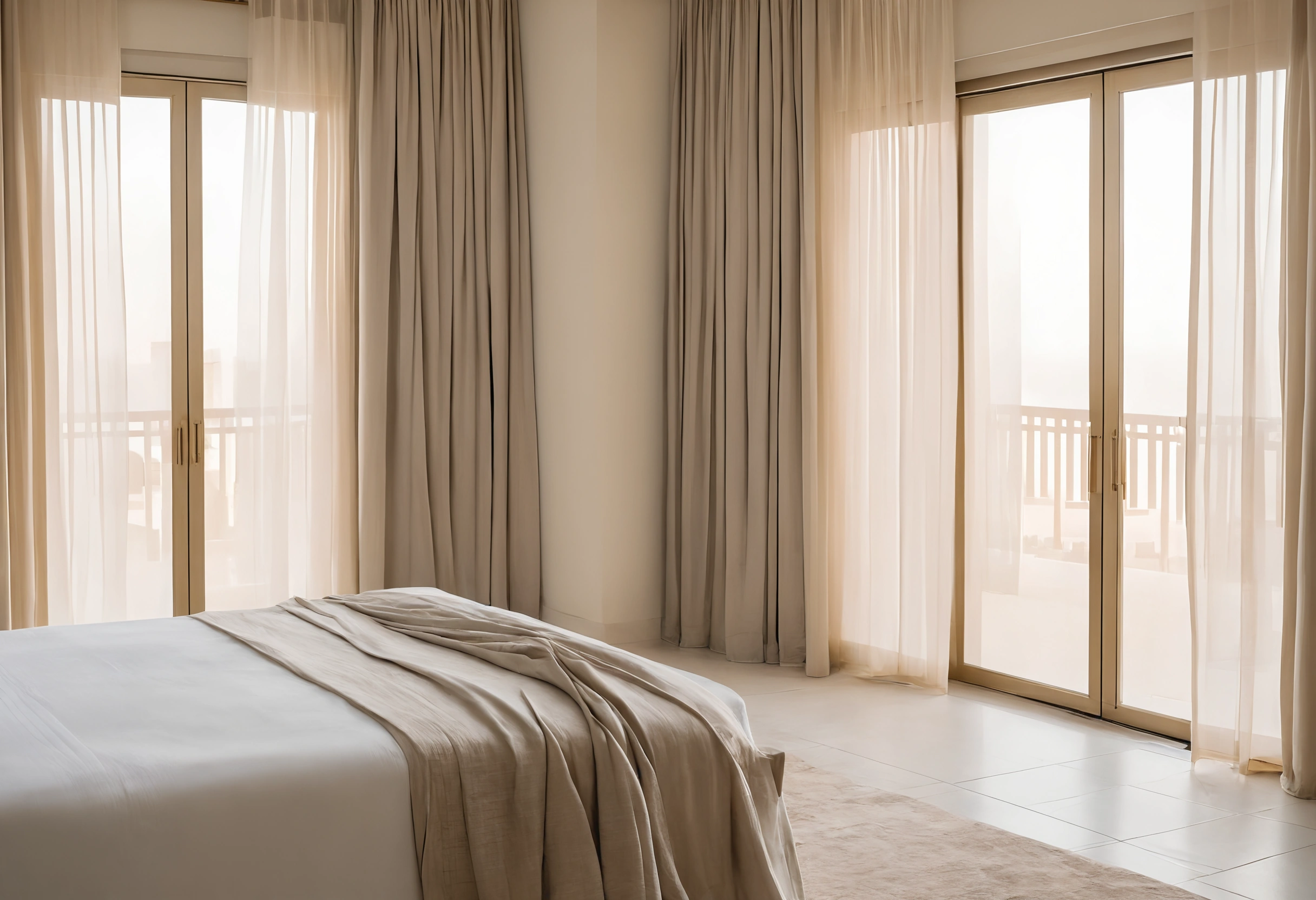
No. The Library of Congress states that visible light damages collections even after all ultraviolet and infrared are removed. Sunlight is avoided for display of light-sensitive items because it is too intense, carries high levels of UV and is hard to control. A curtain behind glass therefore fades from both invisible and visible radiation.
Myth: a UV film on the window solves fading. Fact: the Library of Congress guidance on light says damage is cumulative, so hours of exposure add up whether the source is the sun or a lamp. A film removes one part of the spectrum. Distance from the glass, drawn curtains and shorter exposure remove the rest.
How fast do dyed fabrics fade compared with each other?
Lightfastness is graded on the Blue Wool Standard, a set of blue wool cloths of known fastness from the most fugitive to the most stable. The exposure needed to fade each cloth rises steeply from one grade to the next, so a small difference in grade means a large difference in years beside a window.
In the Library of Congress description, the standard has 8 cloths, BW1 the most fugitive, and each needs about twice the exposure of the one before. Dyed textiles count as "very light sensitive": at most 3 foot-candles (about 32 lux) for 3 to 5 months, then 3 years in the dark. The rule is written for museums, not homes.
Test methods matter when a supplier quotes a grade. The British Standards Institution catalogue entry for BS EN ISO 105-B02:1999 describes a xenon arc test representing daylight, allows two different sets of blue wool references and warns that the two sets may not give identical results. Ask which reference set and which edition produced the number.
Can a laboratory measure how much a particular fabric will fade?
Yes, on a small scale. The Getty Conservation Institute lists microfadeometry among its lighting research: a tiny area is exposed to intense light while colour change is measured. The method yields item-specific data that generic classes such as Blue Wool grades cannot supply for an old family curtain.
The Getty lighting research page also describes work on refining risk assessment with the technique. For a home, the lesson is simple: test a hidden hem or an offcut in the window position before committing a whole room of fabric.
Is dust only a cleaning problem for fabric?
No. The National Park Service textile guidance of 1993 notes that textiles relatively free of dust and food stains are less susceptible to becoming a host for microorganisms, because growth often starts on soil and finishing residues. Once moisture arrives, dust is a food source as well as a visual defect.
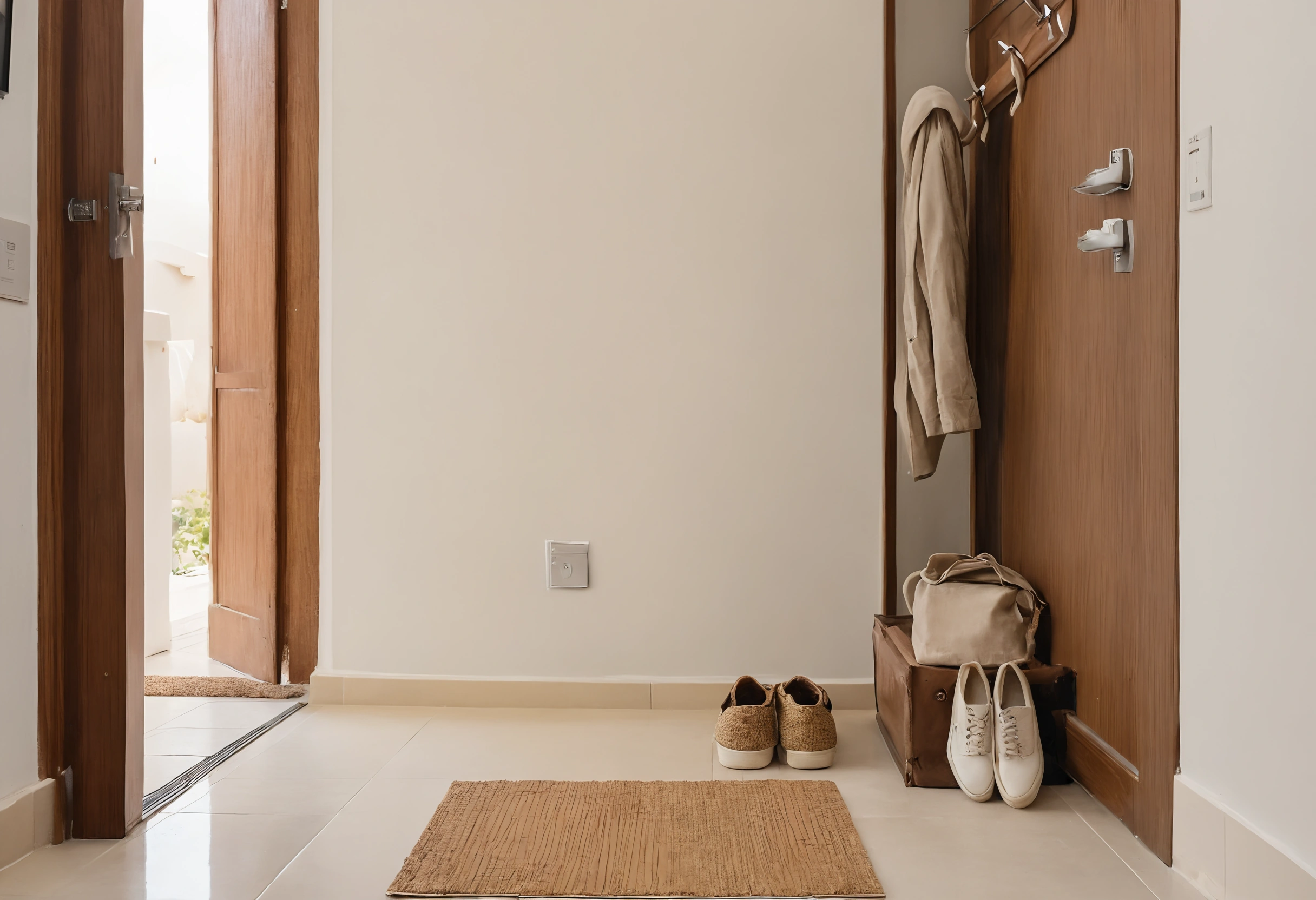
Myth: builders' dust is gone once the floors are mopped. Fact: dust left on fabric stays a maintenance task. The Carpet and Rug Institute lists four steps for a carpet or rug: vacuum regularly with a certified vacuum, clean spills quickly, deep clean every 12 to 18 months, and stop dirt at the door with mats outside and in, shoes off and changed air filters, described on its home cleaning and maintenance page.
At what humidity does mould start on textiles?
Growth is noted when relative humidity is above 50 percent, and rapid spread occurs above 80 percent, according to the National Park Service. Optimum conditions for growth combine a temperature above 24 °C with humidity above 65 percent. Cotton, linen and other cellulose fibres are the most vulnerable, and wool is less so.
The Conserve O Gram 16/1, published in July 1993 and therefore dated, recommends textile storage at 18 °C to 20 °C with an upper limit of 24 °C, relative humidity below 65 percent and 50 to 55 percent if possible. Fluctuations also harm fibres, which swell and dry with each swing. The full text is in the National Park Service leaflet.
Two practical points follow. A cupboard of spare curtains in a closed, unventilated maid's room sits in stagnant air, which the leaflet lists as an aggravating factor. Gentle air circulation, a small dehumidifier or monitored desiccant bags are the leaflet's suggested controls.
Does wool need protection from moths and damp in storage?
Yes. Woolmark, the wool industry's technical body, names moths, mould, dust and wear as the risks to unworn wool in storage. Its advice is silica gel sachets to stop moisture developing into mould and cedar blocks in place of mothballs, whose scent is hard to remove.
The Woolmark storage advice is written for clothes, so treat it as a guide for wool throws and cushion covers only. Wool rugs and heavy curtains kept in store need the same dry, gently ventilated air that the National Park Service recommends for all textiles.
What does a first-year fabric routine look like?
A first-year routine has five steps, each tied to a source above: control light, remove dust at the door, vacuum on a schedule, watch humidity, and rotate stored fabric. The steps take minutes a month, not hours, and cost far less than replacing faded curtains or a stained rug.
- Draw curtains during the hours of direct sun and keep upholstery away from the glass, since damage is cumulative.
- Put mats outside and inside the front door and take shoes off, as the Carpet and Rug Institute advises.
- Vacuum rugs and upholstery on a fixed schedule and book a deep clean every 12 to 18 months.
- Keep stored fabric in air that moves, below 65 percent humidity, with desiccant sachets checked regularly.
- Test a hidden offcut in the window position before ordering fabric for a whole room.

How do the myths compare with the published figures?
Five beliefs about home textiles fail against the sources. Each row below pairs a common claim with the figure or statement that corrects it, and with the action that follows for a renovated Dubai home. The table draws on three institutions and one industry body.
| Myth | Fact | Action |
|---|---|---|
| Only UV fades curtains | Visible light still damages after UV and IR are removed | Draw curtains in direct sun |
| All dyes fade at the same rate | Each Blue Wool step needs about 2 times the exposure | Ask for the BW grade and test standard |
| Dust is only cosmetic | Clean textiles are less susceptible to microorganisms | Mats, shoes off, changed filters |
| Mould needs a flood | Growth is noted above 50 percent relative humidity | Keep storage below 65 percent |
| Wool never needs protection | Moths, mould and dust are the storage risks | Silica gel, cedar, air movement |
Common questions about textile care in a renovated Dubai home
Readers ask the same four things after a renovation: when fabric fades, how often to clean a rug, what humidity is safe and what to use against moths. The answers below stay within the published figures and name their sources, so each can be checked before you act.
How many months can a dyed textile sit in direct light?
The Library of Congress gives 3 to 5 months of display at a maximum of 3 foot-candles for very light-sensitive items such as dyed textiles, then at least 3 years in the dark. The figure is for museum objects, so a curtain in a sunny window will need replacement sooner.
How often should a wool rug be deep cleaned?
The Carpet and Rug Institute recommends professional deep cleaning every 12 to 18 months, with regular vacuuming between visits. Mats at the door, shoes off and changed air filters reduce the dust reaching the pile in the first place.
What humidity should fabric storage stay under?
The National Park Service recommends below 65 percent, with 50 to 55 percent if possible, and a temperature of 18 °C to 20 °C. Growth is noted above 50 percent, so lower is safer, though the leaflet dates from 1993.
What should I use against moths in stored wool?
Woolmark suggests cedar blocks rather than mothballs, and silica gel sachets against moisture. Stored fabric should be clean and dry first, because dust and food stains give both moths and mould a start.